STI Test Window Periods: Why Timing and Repeat Tests Matter
There is no single window period for all STI tests. The infection, test type, sample site and timing of exposure determine the plan.
A test performed very soon after exposure may be negative even when an infection is developing. Different infections and test technologies have different detection windows. A personalised testing plan is more useful than one universal date from an online chart.
Start with symptoms and urgent needs
Do not wait for a window period to pass if you have sores, discharge, painful urination, pelvic pain or another concerning symptom. Seek assessment now; testing or treatment may be appropriate immediately. Possible HIV exposure requires urgent PEP assessment within 72 hours and ideally sooner. Emergency contraception may also be time-sensitive. These urgent decisions are separate from the later date when a negative screening test becomes more reassuring.
Match the test to the exposure
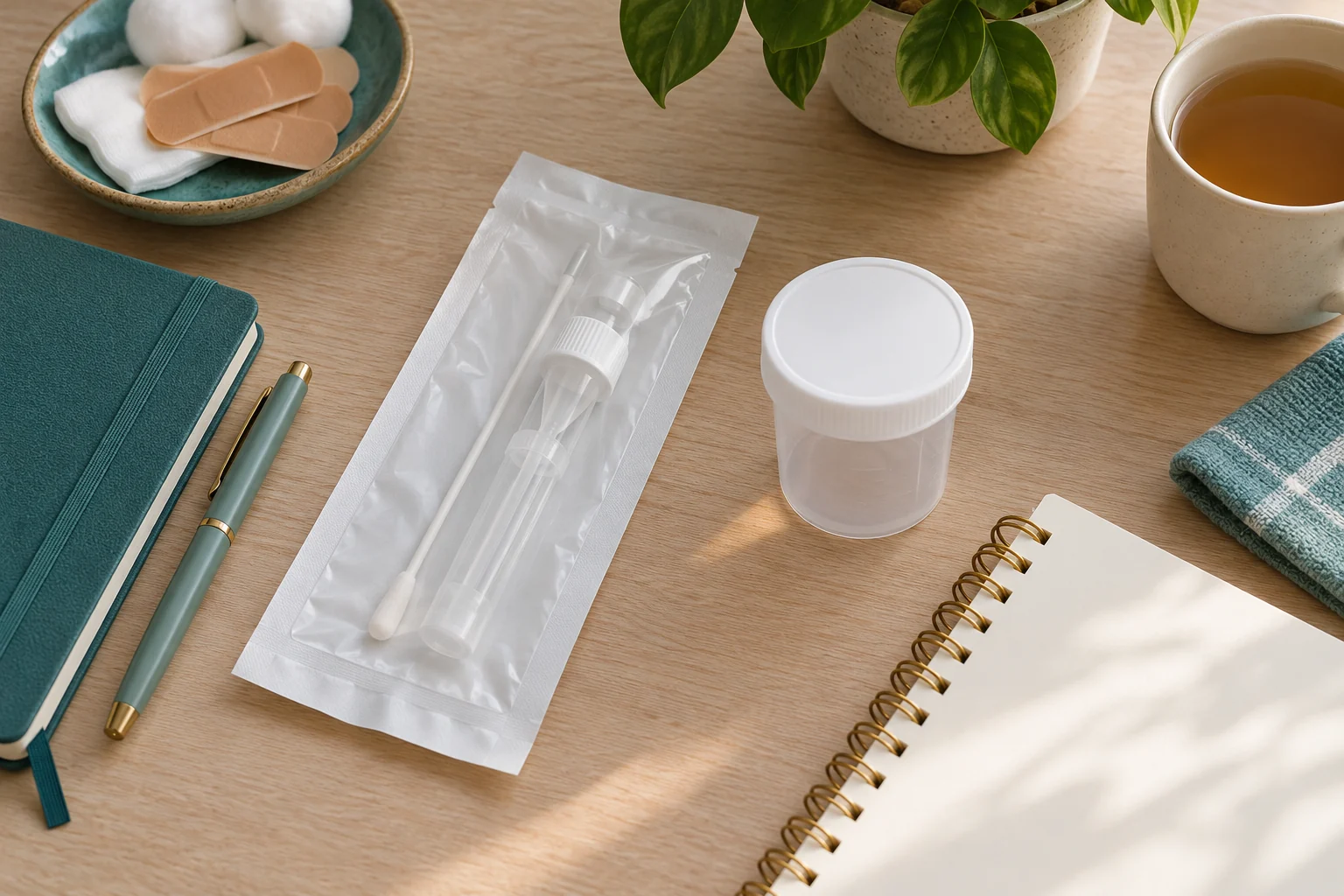
Tell the clinician when exposure occurred and which body sites were involved. Urine, swabs and blood tests look for different infections, and an exposure involving the throat or rectum may need site-specific samples. A standard package does not necessarily include everything relevant. In South Africa, confirm the laboratory’s tests and sample instructions rather than assuming every “full screen” is identical. Ask whether the sample is diagnostic for current symptoms or screening after a recent exposure.
Understand what a negative result means
The meaning of a result depends on the interval since exposure, the test used and whether there have been further exposures. HIV testing can be affected by prevention medicines and the testing pathway; tell the service about PrEP or PEP. Some infections require repeat testing or a later check. Ask for exact dates for your situation and keep them in a private reminder. A negative result from one site or one infection does not clear every possible infection.
Plan treatment and partner care
If an infection is found, ask about completing treatment, sexual contact, partner notification and whether a test of cure or later retest is needed. These are different follow-up questions and vary by infection. Do not share antibiotics or assume a partner without symptoms is uninfected. Seek prompt care for fever with pelvic pain or severe testicular pain. Request confidential communication arrangements and clarify how to obtain results; silence from a laboratory or clinic should not be assumed to mean that all tests were negative.
Key Takeaways
- Window periods vary by infection and test.
- Symptoms should be assessed without waiting.
- Sample sites must match relevant exposures.
- Agree on repeat-test dates and how results will arrive.
Sources & further reading
General health information; speak with a qualified healthcare professional for advice about your own care.