Managing Blood Pressure and Cholesterol
Understand why regular monitoring and follow-up matter when managing blood pressure or cholesterol.
High blood pressure and high cholesterol often have no obvious symptoms. Measuring blood pressure and checking cholesterol through appropriate tests can help identify these risk factors.
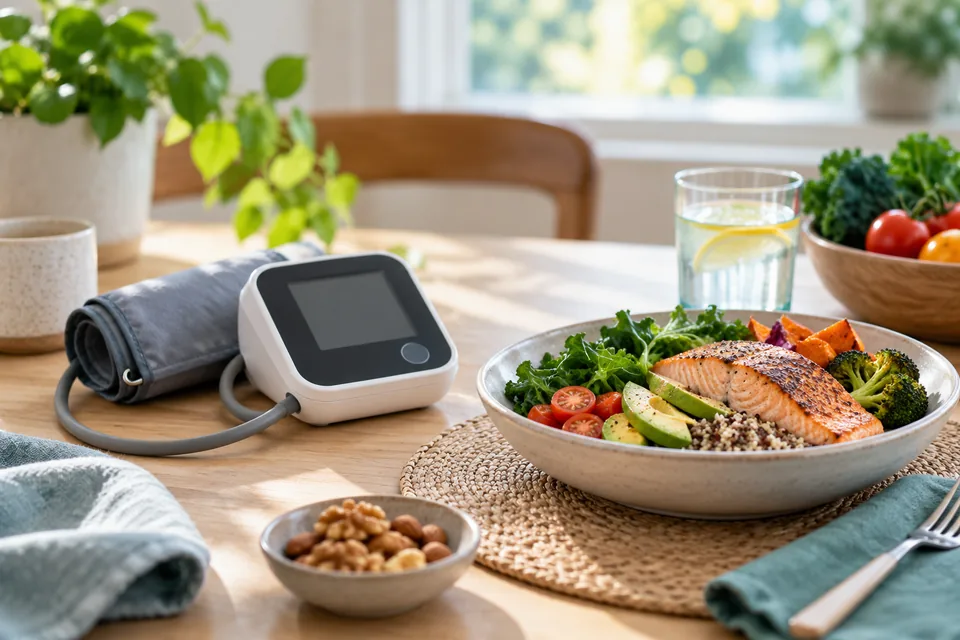
A healthcare professional can explain your results in the context of your overall health and other risk factors. Home blood pressure readings may support care, but they do not replace medical follow-up.
Management may involve health habits, medicines, or both. The plan and monitoring schedule depend on your circumstances. Do not stop or change prescribed medicines based only on a home reading or without advice from your healthcare professional.
Seek urgent medical care for severe symptoms such as chest pain, sudden weakness, difficulty speaking, or severe shortness of breath.
Agree what to monitor between visits
Bring a blood-pressure log, medicine list and recent blood results to your GP or clinic. Targets depend on your health and overall cardiovascular risk; one isolated home reading cannot determine your treatment. Mention dizziness, missed doses or difficulty affording or collecting medicines. Ask when blood tests and prescription reviews are due so that monitoring and supply remain connected.
Key Takeaways
- High blood pressure and cholesterol may have no noticeable symptoms.
- Monitoring and follow-up help inform care.
- Treatment plans are individual; do not change medicines without advice.
- Severe or sudden symptoms need urgent medical attention.
Sources & further reading
General health information; speak with a qualified healthcare professional for advice about your own care.