Safer Sex and When to Seek STI Advice
Practical information about reducing STI risk, recognizing possible symptoms, and arranging assessment.
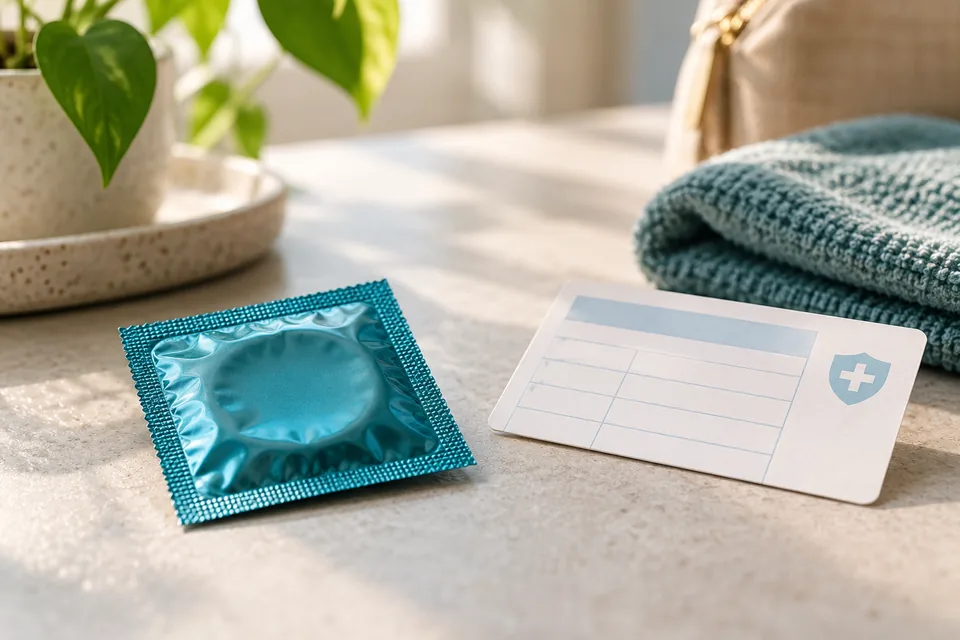
Using condoms correctly and consistently can reduce the risk of many STIs, though it does not prevent every infection. Vaccination can also prevent some infections, including hepatitis B and human papillomavirus (HPV).
Open communication with partners and testing based on your circumstances can help people make informed choices. The need and timing of testing depend on factors such as symptoms, possible exposure, and previous test results.
Discharge, sores, a rash, pelvic or testicular pain, or pain when urinating can have several causes. A clinician can advise whether an examination or tests are needed. Avoid sexual contact if you have symptoms that may be infectious until you have received medical advice.
If you think you may have been exposed to HIV within the past 72 hours, seek urgent medical care now to ask about post-exposure prophylaxis (PEP). Do not wait for an online appointment.
Combine prevention methods that fit your needs
Ask a South African clinic about HIV testing, PrEP and vaccination eligibility rather than assuming that one method covers everything. Skin-to-skin infections can spread from areas a condom does not cover. If a condom breaks, discuss pregnancy prevention as well as STI and HIV care when relevant. Do not wait for symptoms after an exposure that may need urgent treatment.
Key Takeaways
- Condoms reduce, but do not eliminate, STI risk.
- Vaccines can prevent some infections, including HPV and hepatitis B.
- Symptoms may need clinical assessment and testing.
- Possible HIV exposure within 72 hours needs urgent PEP assessment.
Sources & further reading
General health information; speak with a qualified healthcare professional for advice about your own care.